
Basic End User Computing
Awaiting Accreditation
Basic End User Computing
NQF Level 3 Skills Programme
Course Overview
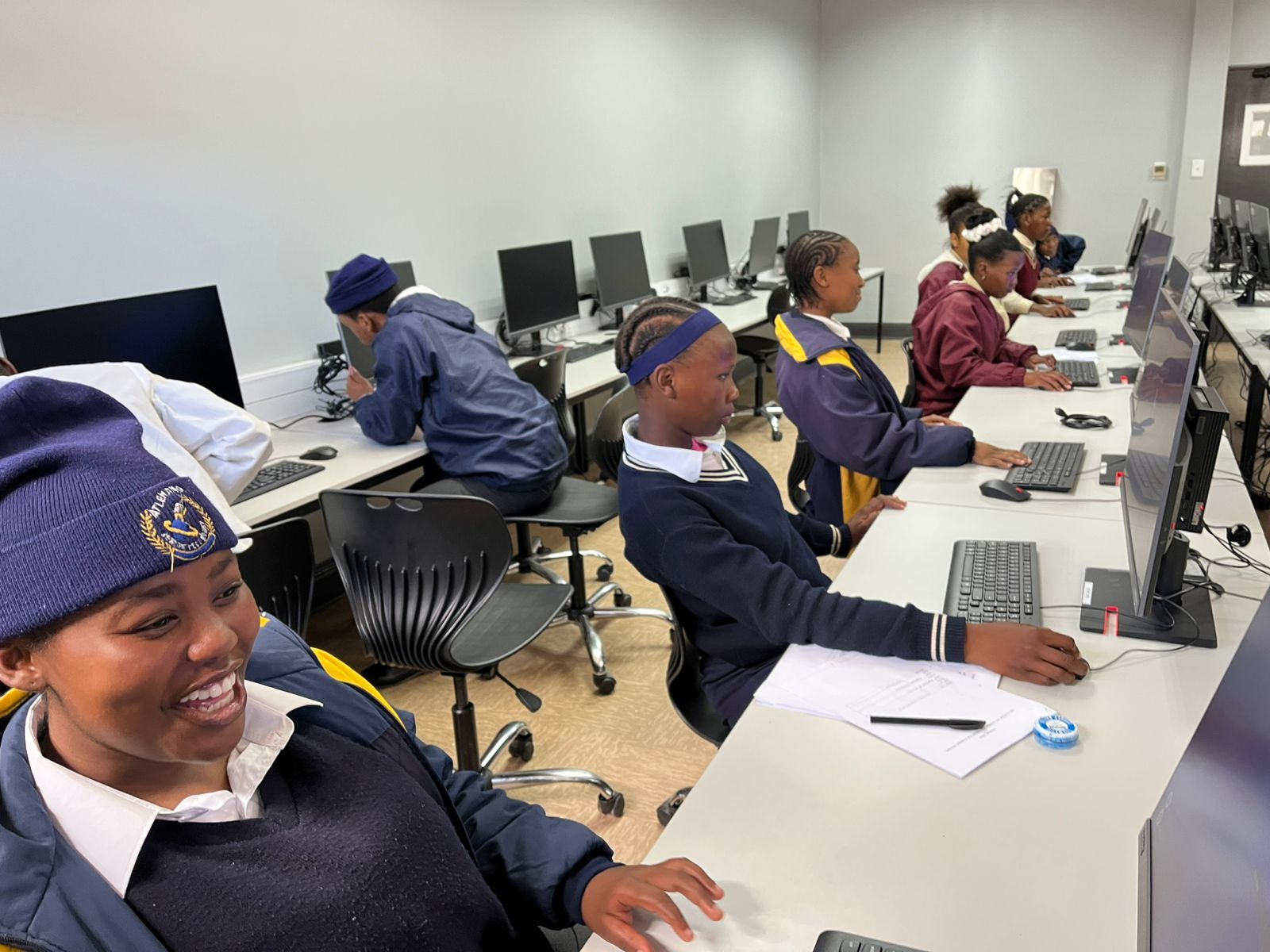
The Basic End User Computing programme provides learners with essential digital literacy and computer skills required for effective participation in modern workplaces. This programme introduces learners to the fundamental concepts of computer technology and the practical use of common office software applications.
Learners will develop the ability to operate computers confidently, manage digital information, communicate electronically, and produce professional documents. The programme focuses on practical, real-world computer skills that are widely required across administrative, business, and technical environments.
Learning Outcomes
- Understanding basic computer hardware and software components
- Operating computer systems and managing files effectively
- Creating professional documents using word processing software
- Using spreadsheets for data entry, calculations, and basic analysis
- Preparing presentations using presentation software
- Communicating effectively using email and digital platforms
- Applying basic internet research and online safety practices
Course Details
Programme
Basic End User Computing
NQF Level
Awaiting Accreditation
Credits
36 Credits
Duration
45 Days
Career Opportunities
Completion of this programme equips learners with foundational computer skills that are applicable across a wide range of industries. These competencies support entry-level employment and further learning opportunities in administrative, business, and technical environments.
- Administrative Assistant
- Office Support Assistant
- Data Capturer
- Customer Service Assistant
Why Choose MTVC
Mangaung Technical Vocational Centre (MTVC) is committed to equipping learners with practical, industry-relevant knowledge and digital skills required in today's technology-driven economy. Our programmes combine structured learning with hands-on practice, enabling learners to build confidence and competence in the use of modern workplace technologies.